
Hey, I’m Guilherme Boller!
Product Designer
for products.
From justice systems and AI to banking, retail, culture apps, websites, small-business automation, you name it.


Selected cases
-
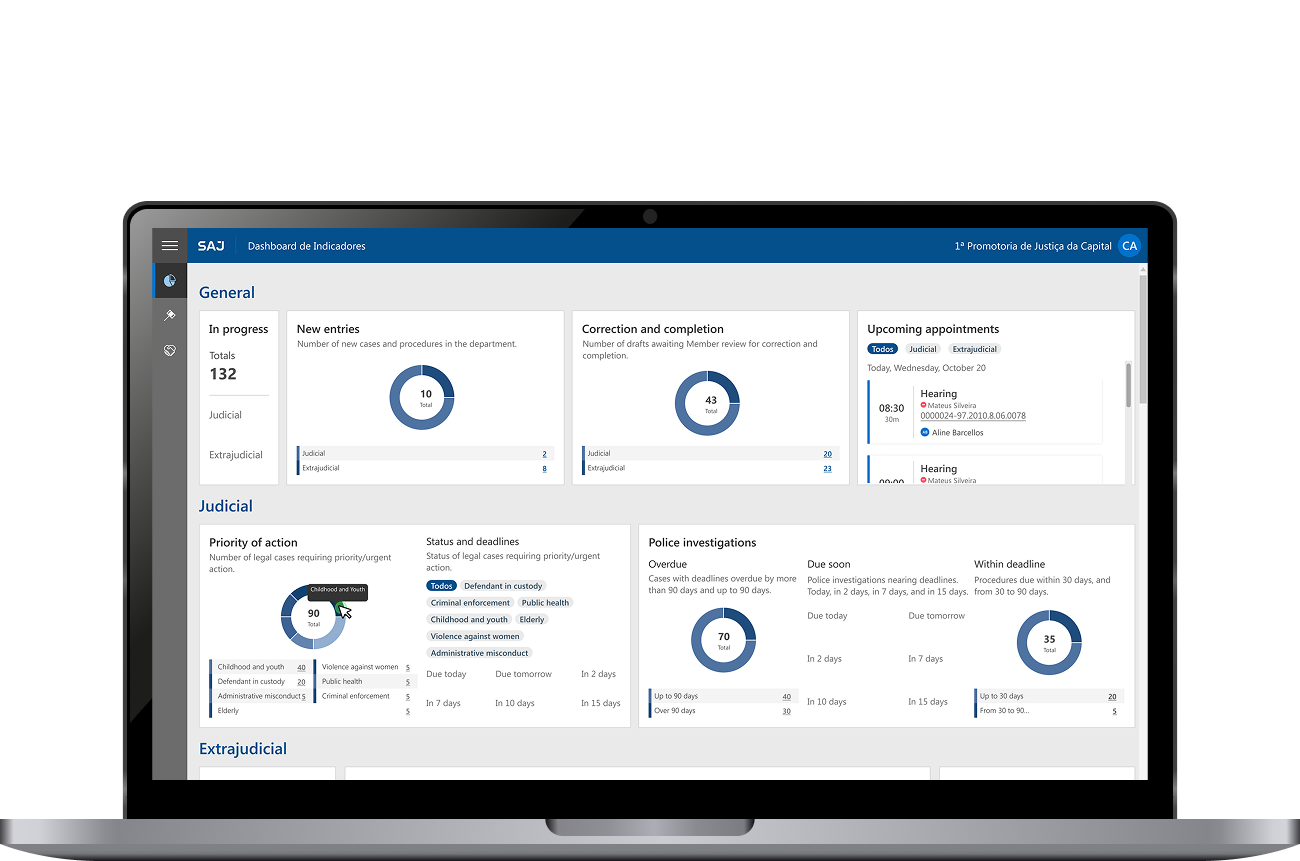
SAJ Online - Homepage Dashboard
Mapping information needs, documenting risks, and testing a prototype with domain experts before committing to a new product surface.
-
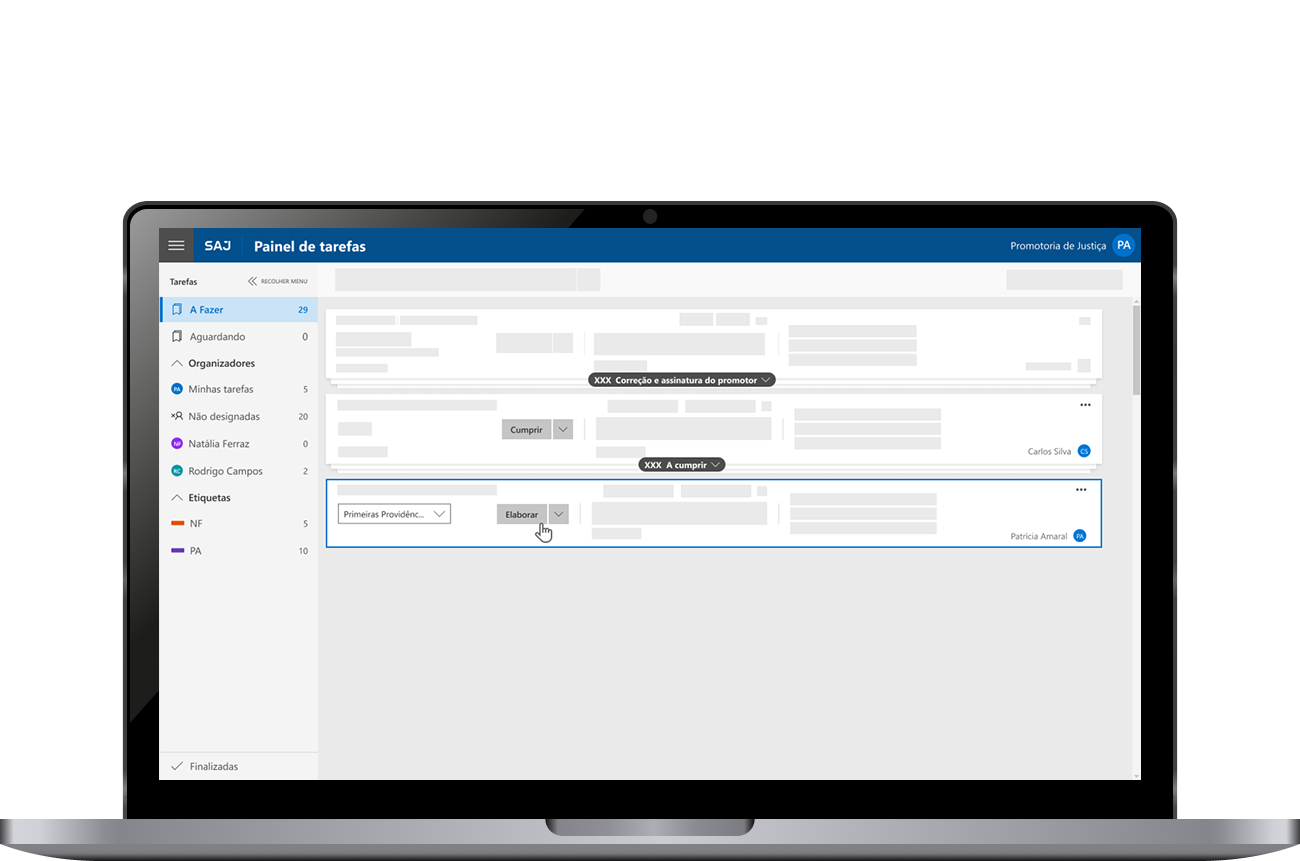
SAJ Online - Integration Clarity
Diagnosing a trust problem caused by silent integration failures in a mission-critical legal case management system.
-
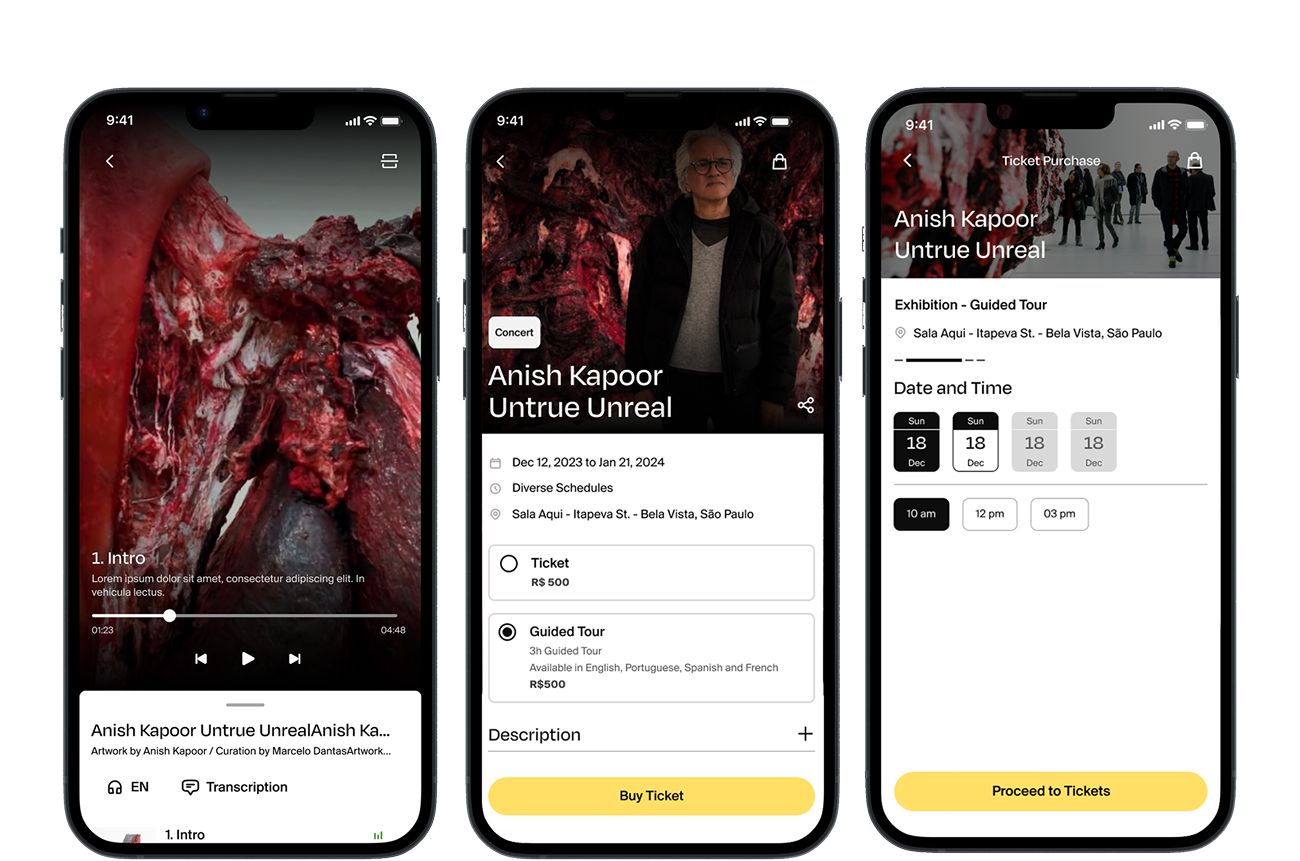
Cidade Matarazzo - SuperApp
Design of ticketing, check-in, and cultural experience flows for a luxury SuperApp, including information architecture and mobile-first UX for events and exhibitions.
-
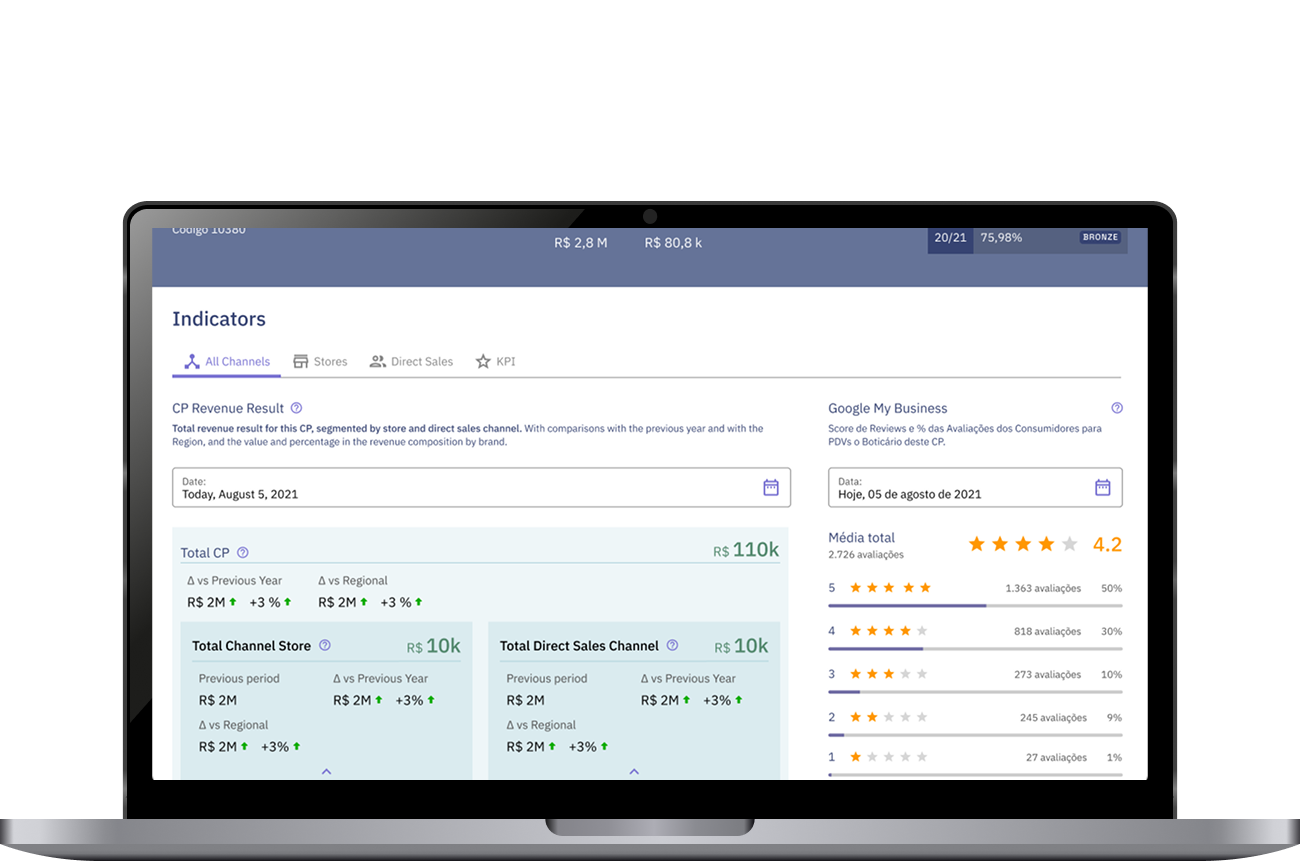
Bússola · Grupo Boticário
Design of a data visualization platform that replaced over 100 pages of printed reports with a single interactive product, adopted by commercial and executive teams across business units.
Skills
-
Before any interface gets designed, someone has to understand what the actual problem is. That is the work I do first.
I run structured research with the people who use the product daily: interviews, shadowing, usability tests, and synthesis sessions with product and engineering. The goal is not to collect opinions. It is to find the gap between what stakeholders believe users do and what users actually do. That gap is usually where the most expensive problems live.
At Softplan, research with prosecutors across multiple states revealed that users were not requesting queues because they liked queues. They needed a way to distribute tasks across their team. Rebuilding the old queue interface would have solved the wrong problem. Filters and user assignment features were tested instead. Adoption was immediate.
At Grupo Boticário, recurring questions about data accuracy in the Bússola platform turned out not to be a data problem. Different user profiles were reading the same KPI card and arriving at different conclusions. The fix was not a redesign. It was targeted research to map where comprehension was breaking down, followed by clearer labeling, explicit time references, and contextual help placed exactly where users encountered confusion.
Research sessions are documented with defined objectives, user profiles, and structured scripts. Not to make conversations rigid, but to make sure every session generates comparable, analyzable data. After sessions, recordings are reviewed, transcripts are processed with AI support, and findings are grouped by recurrence across profiles and contexts. A single mention is a data point. The same behavior across different roles and states is a signal worth acting on.
-
Complex systems are not just complicated interfaces. They are products where the cost of a wrong design decision is not a confused click. It is a delayed filing, a misattributed error, a workflow that breaks in a regulated context.
I have spent most of my career in this territory: a judicial case management system used by prosecutors and public servants, a financial data platform for institutional investors, a logistics dashboard for AI-processed commercial invoices, a business analytics platform used by C-level and commercial teams across a distributed retail operation.
What makes these systems difficult is not visual complexity. It is the intersection of domain expertise, institutional rules, legacy constraints, and data that users have to act on with confidence. When a field is ambiguous in a decision-support tool, users perceive it as an error. When a system fails silently, users learn not to trust it. When feedback is unclear after a critical action, users attribute the problem to themselves or to the product, and both outcomes are bad.
My focus in these environments is on information architecture, interaction clarity, and the communication of system status: what the system is doing, what it requires, what went wrong and why. I use NNGroup's complexity framework as a diagnostic tool to identify early where integration failures, data ambiguity, or institutional constraints will override a good UX solution before any wireframe is drawn.
The interface is a surface. In complex systems, most of what determines whether the design works is invisible on the screen.
-
Interaction design is the discipline of defining how a system responds to human action: the sequence, feedback, states, and logic that determine whether an interface feels predictable or arbitrary.
I design interactions for systems where the stakes of a wrong step are real: multi-step legal workflows, data-heavy decision environments, and AI-assisted processes where a user needs to understand, verify, and trust what the system did before acting on it.
Grounding in interaction patterns and human-computer behavior also gives me a specific lens for evaluating AI outcomes in product contexts. When a model generates an output, the interface around it determines whether a user can actually validate it, or will accept it uncritically. I apply that lens when designing AI-adjacent flows: where to surface confidence signals, when to require explicit confirmation, how to keep the human meaningfully in the loop rather than just formally in it.
-
Information architecture is the underlying structure that determines whether a system can grow without breaking: whether new features, roles, or content can be added without creating dead ends, contradictions, or navigation debt.
I work on IA at two levels. At the product level: how data, content, and actions are organized so users can find what they need and understand where they are. At the system level: how structure supports expansion across features, user roles, and contexts over time.
In practice: at Grupo Boticário, I reorganized over 100 pages of fragmented printed reports into a navigable analytics platform adopted across multiple business units. At Softplan, I designed navigation and flow structure for a judicial case management system serving prosecutors across different states, where the same interface had to accommodate distinct roles, legal workflows, and institutional constraints. At Cidade Matarazzo, I built the sitemap for a multi-vertical SuperApp so that culture, hospitality, and retail sections could scale independently without fragmenting the overall experience.
Thoughts

Decision Architecture Using Customer Satisfaction Score data
by Guilherme Boller | May, 2026 | MediumHow raw customer satisfaction score data became a structured decision input. Methodology, governance, and the logic that made qualitative data actionable at scale.
How I actually approach complex systems and where trust breaks
by Guilherme Boller | Feb, 2026 | MediumHow I actually approach complex systems and where trust breaks Someone asked me to go deeper on how I approach complex systems, specifically, where trust breaks and what I do about it. I’ve been …
Professional Recap 2025
by Guilherme Boller | Feb, 2026 | MediumMy work in Product and Complex Systems: applied learnings, method, and impact. In 2025, I worked on a system used daily by public institutions, where imprecise decisions, incomplete data, …